ABOUT SUSAN ACKROYD
Interviews, reviews and conversations.
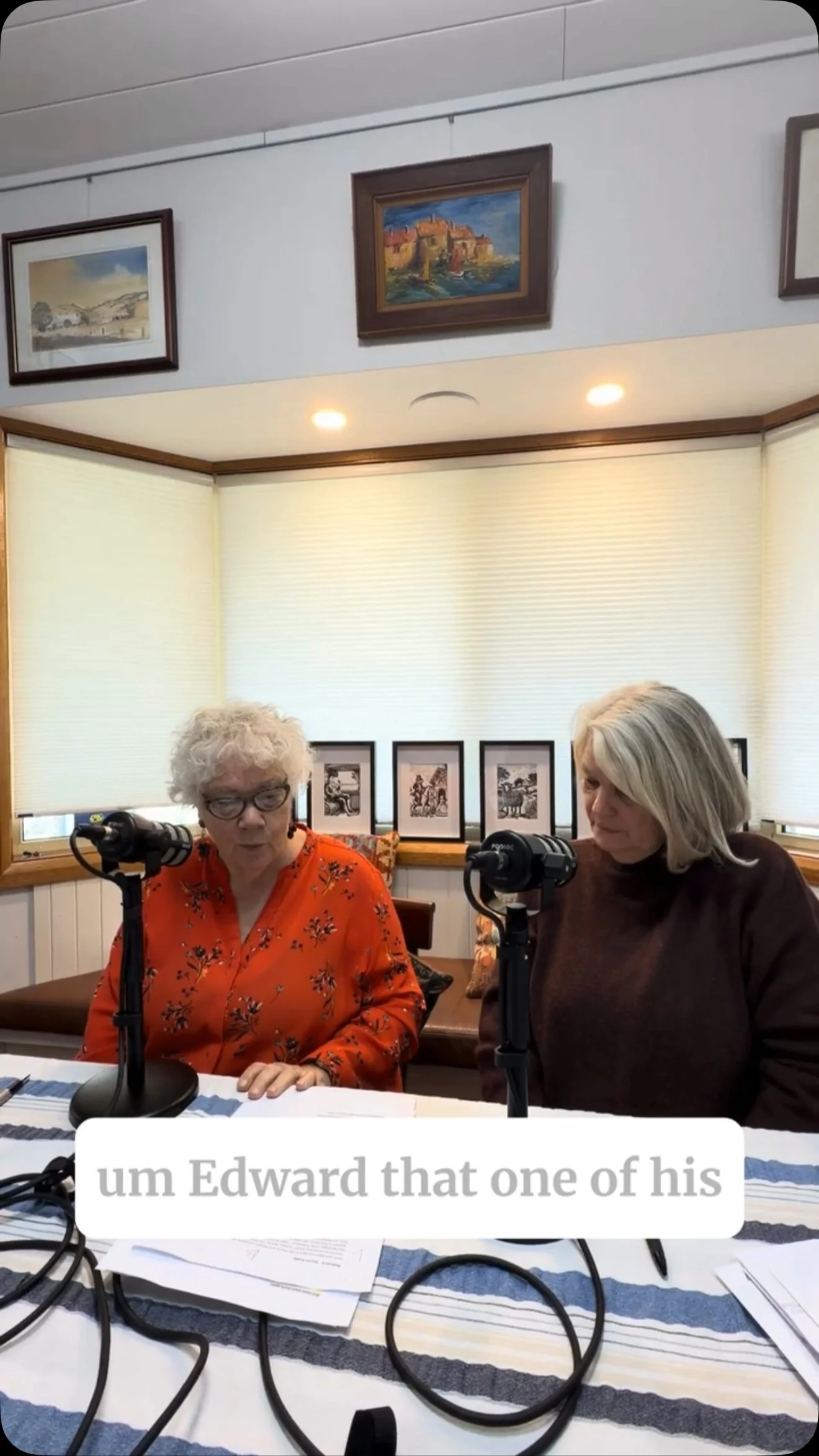
Explore Susan’s radio appearances, newspaper features, interviews, reader responses and conversations about the history hidden inside familiar nursery rhymes.
Featured media

The Senior News by Anthony Caggiano

ABC Nightlife with Suzanne Hill

Tamar Valley U3A Newsletter Article
Professional Book Reviews
-
I’m thrilled to encounter Susan Ackroyd’s new book, ‘Rhyme & Reason’, at a time when my first grandson is revelling in books at aged 2 1/2 and, much to my delight, reciting rhymes with growing confidence. These are popular English rhymes of course from my own childhood, taught to me by my dear mother, to whom they were also handed down: bedtime lullabies, playtime group games and whilst just singing alone with toys.
But the age of these familiar rhymes and their covert function at the time they were written has always been unknown to me. What is ‘a tuffet?’ Why were the mice blind?
Why did Jack Horner stick his thumb in his pie? All these queries from my little grandson are answered on my part with imaginative make-believe, having till now no understanding that each rhyme plays on metaphor and symbolism and in its time, avoided the scrutiny of those with influence ( ruling Kings, Dukes and Catholic priests) - scrutiny and even execution!
For the very young, like my grandson, metaphor and symbolism evade meaning. That Jack Spratt and his wife together ‘licked the platter clean’ sounds like most meal times to a two year old!
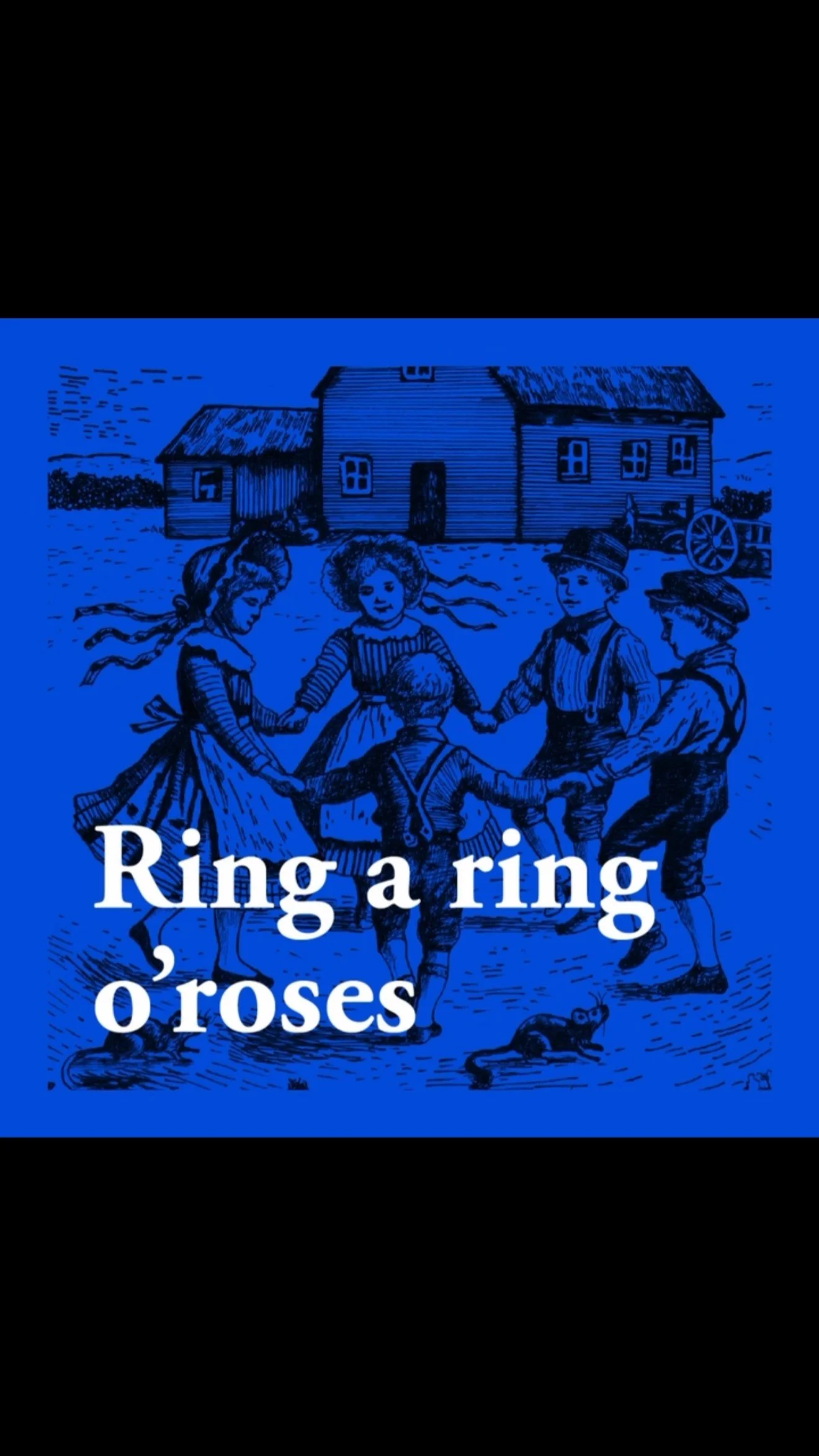
But middle primary-level children will be intrigued to learn the true meaning of ‘Ring a ring o’ roses’, which they still play happily at parties. Those children have recently experienced the global severity of a pandemic ( plague) and will first-hand understand the metaphorical and tragic meaning of ‘A-tishoo! A-tishoo! We all fall down.’
Similarly, early secondary students studying British History will have their knowledge of past centuries richly enhanced by a teacher who can whisk them back regularly to much loved rhymes from their childhood, and reinterpret their hitherto mysterious messages.
‘Rhyme & Reason’ has been delightfully illustrated by Nicol Reid. The pictures gel beautifully with the old rhymes. They are styled to reflect the images of earlier eras, from the thirteenth to the eighteenth centuries, with a colour plate opening each new century. My personal favourite is the group of smiling children dancing ‘Ring a ring o’ roses’, unaware of the plague-carrying vermin at their feet!
This book is a delight for all ages, communicating as it does the importance of rhyme to young children and a short refresher course in British History, richly enhanced by mystery and intrigue.
-
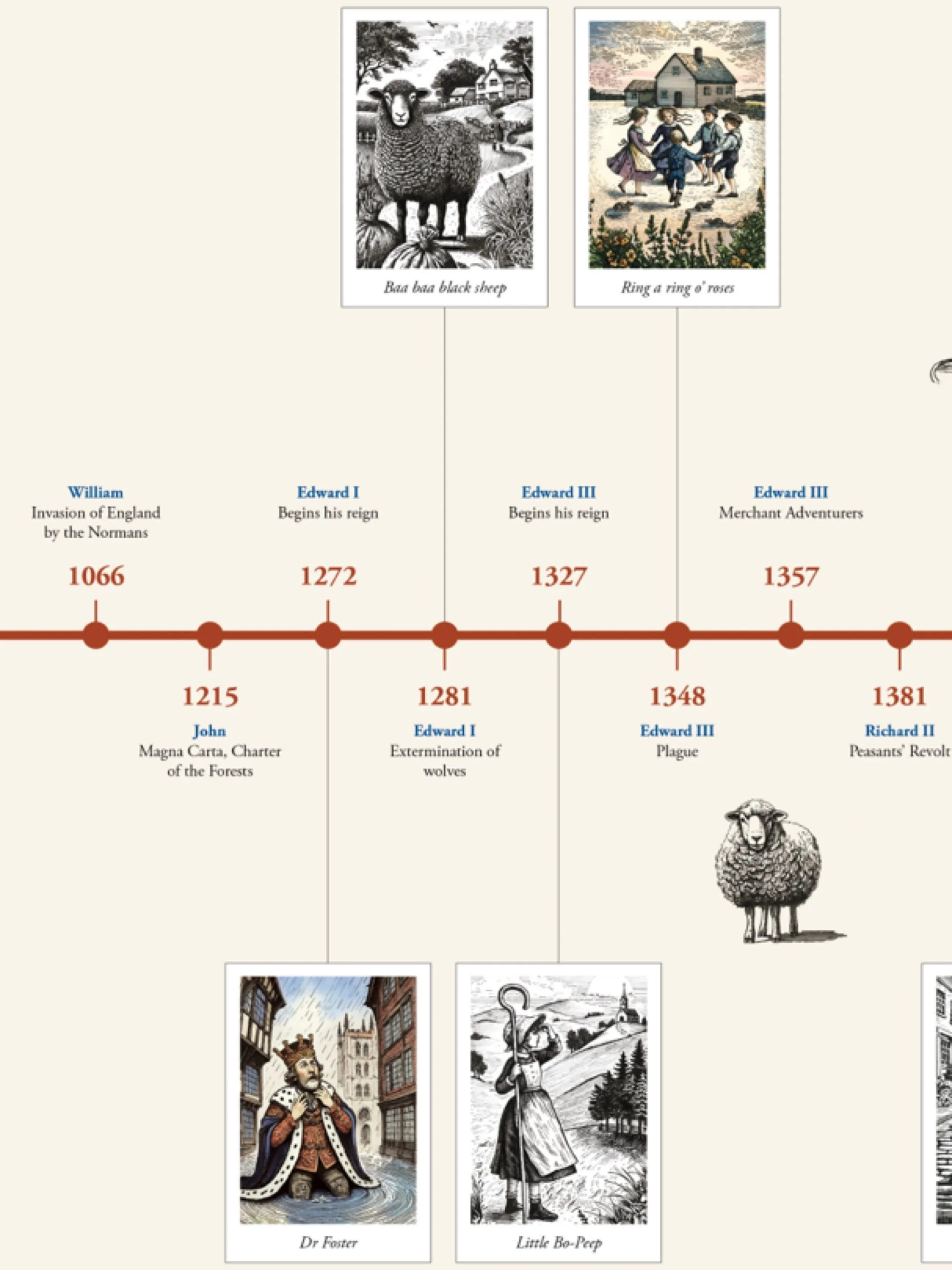
What an enticing idea for a book! I immediately wondered what Edition 1 might be/might have been. All I could find was a 1975 American TV game show and a 1997 documentary film about rap and hip hop! Bemused, but uninformed, I returned to the ‘2 nd edition’ book in hand, with its focus on the mystery and history of English nursery rhymes. A quick flip through the pages reveals fascinating (and helpful, clearly presented) timelines of English royalty and relevant events, with Nicol Reid’s water-coloured illustrations and striking black ink drawings evocative of each period included for effect. Referencing both historical sources and other rhyme collections, this light-hearted investigation of the provenance of familiar rhymes is a delight to explore. Organised by century, the reader is invited to consider plausible explanations for the emergence of these 26 ‘lays’ or ‘ditties’ at particular points in history. With a focus on the coded messages over six centuries of popular sing-song rhymes, the book offers concisely-presented interesting political contexts for its hypotheses.
From Dr Foster in the reign of Edward the First through the charitable Dick Whittington during Richard the Second’s reign, the dramatics of Henry the Eighth and on through several Dukes of York, the reader is swept quickly through the politics of the English throne and intrigues of the streets. While much of the content is an overview of social and financial developments (such as the roles of the feudal system and various plagues) rather than an analysis of the rhymes themselves, this approach to viewing history through the lens of ‘pop culture’ is intriguing. Interesting details of daily life are sprinkled throughout the exploration.
References to related music are included in informative side panels. The author concludes by wondering if similar ‘codes’ are apparent in the ‘rimes’ of other regions. This will be a useful addition to many collections.
-
What a delight to be reminded of these remarkable rhymes! Some of my earliest memories are of sitting on my mother’s knee by the fire in our Sydney home as she read me nursery rhymes. Warm memories they are. Reading this book has also been like meeting old friends – and they were my friends these odd creatures blown in from the past: Little Bo-Peep who carelessly lost her sheep; poor Old Mother Hubbard and her dog who were left with nothing at all to eat; Jack Spratt and his wife who, like my own parents, enjoyed different parts of their breakfast bacon; Humpty Dumpty – a favourite who surely was a relative as his name sounded much like our family name – Dunphy.
And many more of these remarkable characters I knew and loved appear here, their fortunes dramatised in deceptively simple catchy rhymes. How lucky we are, those of us who had these rhymes passed down to us by word of mouth and in books. These anonymous gems travelled to us over centuries.
What I never suspected as a child was that many of these ditties were not intended for children but were political commentary, often embodying radical, subversive views about powerful people and political crises in England over the 13 th to 18 th centuries. Susan Ackroyd fills us in on the social matrix from which these catchy rhymes sprang: the plagues (“we all fall down”), the shifting alliances between states often resulting in attempts to marry off royal daughters across dynasties (“the Queen of Spain’s daughter came to marry me”), the fateful demise of a royal line (“down will come cradle, baby and all”). So the book backs us in to some interesting insights into English history.
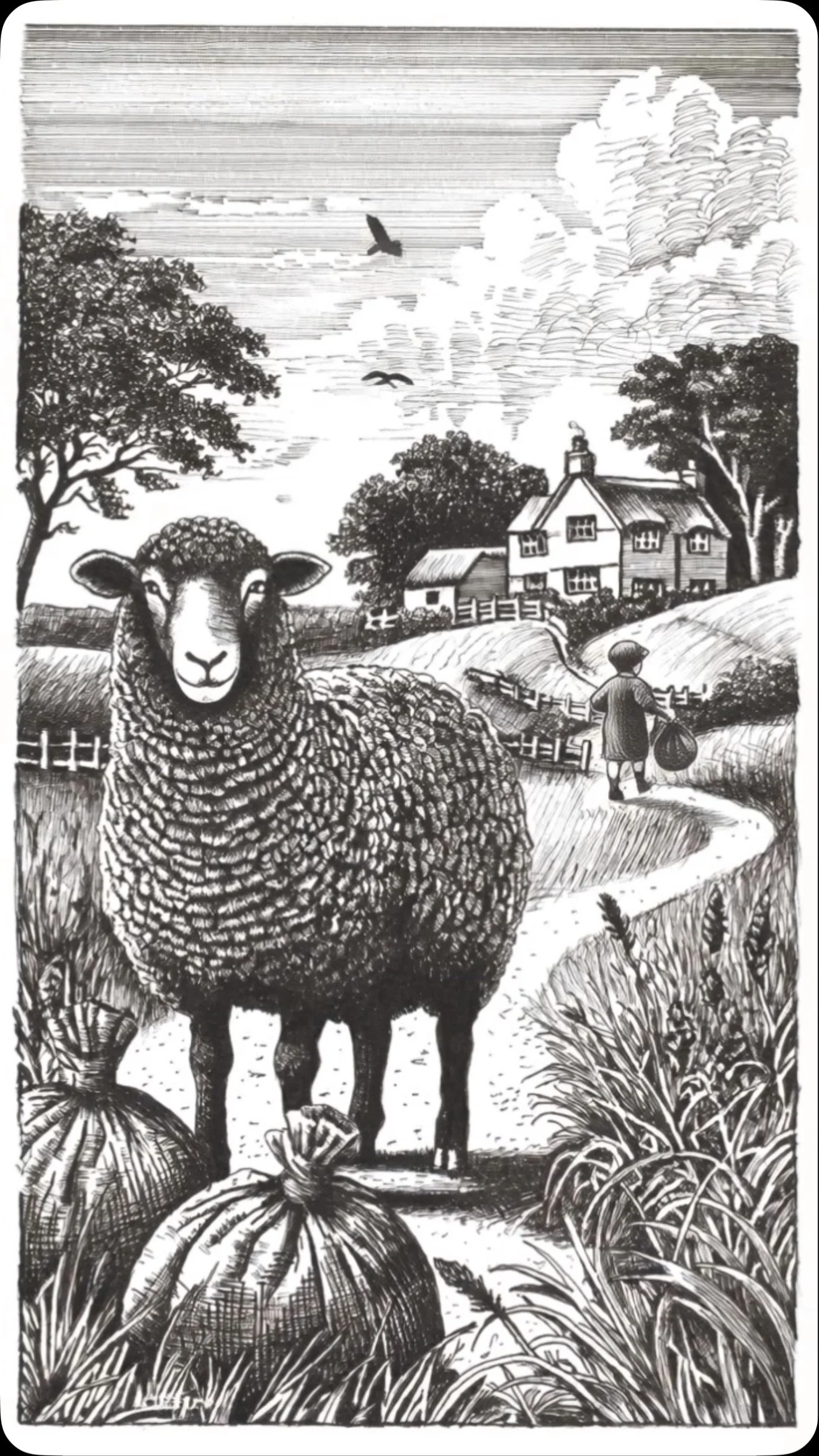
This book is attractively presented – an integral part are the stunning illustrations. In colour and black and white, at least one illustration for every nursery rhyme and here and there in the text small pictorial inserts – together they give vivid expression to the characters and events in the rhymes. I would place them at least on a par with the illustrations in my much-thumbed childhood copy of Mother Goose’s Nursery Rhymes.
Thanks Susan Ackroyd for your careful selection of these rhymes and for enlightening us about the historical events that gave rise to them; thank you Nicol Reid for your illustrations with their wit and artistry. The book is an opportunity to read these folk rhymes aloud for sheer personal enjoyment or to amuse friends. And of course, we can have fun passing them on to our children and grandchildren creating another link in a remarkable historical chain.
Follow the story
Keep up with podcast episodes, historical discoveries, behind-the-scenes research, events and book news.